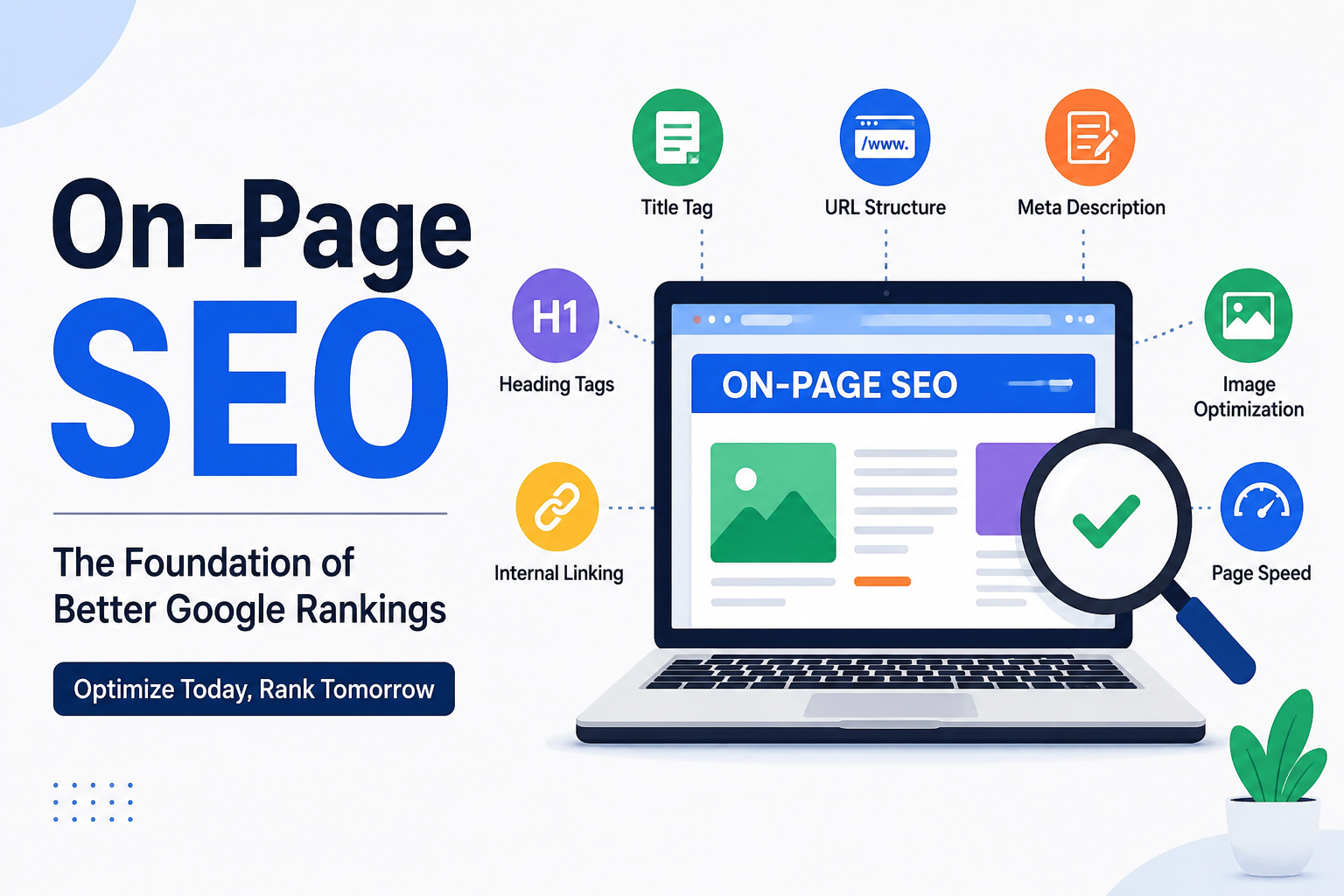
What is On-Page SEO?
On-Page SEO is the process of optimising individual web pages so they rank higher on search engines like Google and provide a better experience for users. It focuses on improving both the content and the HTML elements of a webpage to make it more relevant and valuable.
Simply put, On-Page SEO helps search engines understand your content while making it easy for users to read and navigate.
Why is On-Page SEO Important?
If your website isn’t optimized, even great content may struggle to rank. On-Page SEO helps you:
- Improve search engine rankings
- Increase organic website traffic
- Enhance user experience
- Reduce bounce rate
- Boost click-through rate (CTR)
- Increase conversions and leads
Key Elements of On-Page SEO
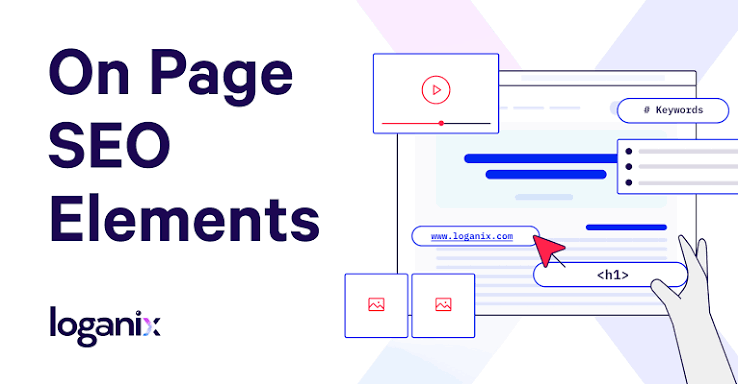
1. Keyword Research
Start by finding keywords your target audience is searching for. Use the primary keyword naturally throughout your content without keyword stuffing.
Example: If your topic is “Digital Marketing,” include related keywords like SEO, PPC, Social Media Marketing, and Content Marketing where relevant.
2. SEO-Friendly Title Tag
Create a compelling title that includes your primary keyword and encourages users to click.
Example:
On-Page SEO Guide: Improve Your Website Rankings in 2026
3. Meta Description
Write a clear meta description of 150–160 characters that summarizes your page and includes your target keyword.
4. URL Structure
Keep URLs short, descriptive, and keyword-rich.
Good: yourwebsite.com/on-page-seo-guide
Bad: yourwebsite.com/page?id=12345
5. Heading Tags (H1–H6)
Use headings to organize your content logically.
- H1 for the main title
- H2 for major sections
- H3 for subtopics
This improves readability for both users and search engines.
6. High-Quality Content
Content should be:
- Original
- Informative
- Easy to read
- Well-structured
- Updated regularly
Focus on solving the user’s problem rather than just adding keywords.
7. Keyword Placement
Include your main keyword naturally in:
- Title
- First paragraph
- Headings
- URL
- Meta description
- Image alt text
- Conclusion
Avoid overusing keywords.
8. Internal Linking
Link to other relevant pages on your website to help users discover more content and improve site navigation.
9. External Linking
Link to trustworthy sources when appropriate. This can improve credibility and provide additional value to readers.
10. Image Optimization
Optimize images by:
- Compressing file size
- Using descriptive file names
- Adding keyword-rich alt text
- Choosing the correct image format
11. Mobile-Friendly Design
Ensure your website works smoothly on smartphones and tablets since most users browse on mobile devices.
12. Page Speed
A fast-loading website improves user experience and supports better SEO performance.
Tips:
- Compress images
- Minify CSS and JavaScript
- Enable browser caching
- Use a reliable hosting provider
13. Readability
Write in short paragraphs, use bullet points, and keep sentences simple. Good readability helps users stay engaged.
14. User Experience (UX)
A clean design, easy navigation, and clear calls-to-action encourage visitors to spend more time on your website.
Common On-Page SEO Mistakes
- Keyword stuffing
- Duplicate content
- Missing title tags or meta descriptions
- Broken internal links
- Slow page speed
- Poor mobile optimization
- Missing image alt text
- Thin or low-quality content
On-Page SEO Checklist
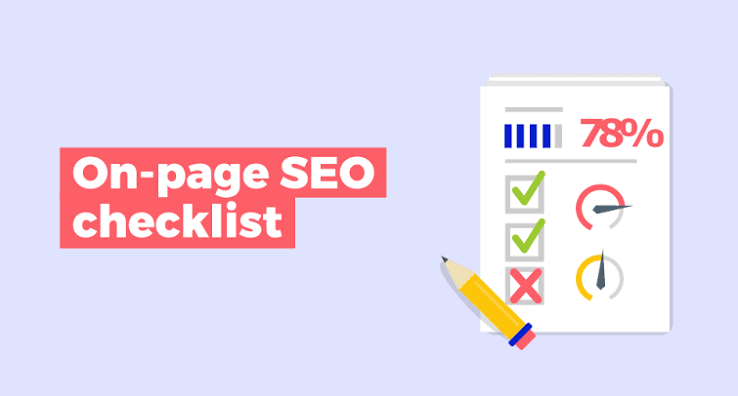
✔ Research the right keywords
✔ Write an engaging SEO title
✔ Optimize the meta description
✔ Use proper heading tags
✔ Create high-quality content
✔ Add internal and external links
✔ Optimize images
✔ Improve page speed
✔ Make the site mobile-friendly
✔ Include a clear call-to-action
Conclusion
On-Page SEO is one of the most important pillars of a successful SEO strategy. By optimizing your content, keywords, titles, images, URLs, and overall user experience, you make it easier for both search engines and users to understand and trust your website.
Remember, SEO isn’t just about ranking higher—it’s about creating valuable content that answers users’ questions and delivers a great browsing experience. Regularly updating your pages and following On-Page SEO best practices will help you achieve sustainable organic growth, attract more visitors, and build long-term online success.