In today’s digital world, online advertising has become one of the most powerful ways for businesses to grow quickly. Whether you run a small startup, an e-commerce store, a local business, or a large company, paid advertising can help you reach the right audience, generate leads, increase sales, and build brand awareness.
Among all digital advertising platforms, two giants dominate the market: Meta Platforms Ads and Google Ads.
Businesses often struggle with one common question:
“Should I invest in Facebook Ads or Google Ads?”
The answer depends on your business goals, audience behaviour, budget, industry, and marketing strategy.
Both platforms are extremely powerful, but they work in completely different ways. Understanding their strengths, differences, and ideal use cases can help you make smarter advertising decisions in 2026.
In this guide, we’ll compare Facebook Ads and Google Ads in detail to help you decide which platform is best for your business
What Are Facebook Ads?
Facebook Ads are paid advertisements shown across platforms owned by Meta, including
- Messenger
- Audience Network
These ads appear in users’ feeds, stories, reels, videos, and sidebars.
Facebook Ads mainly focus on interest-based targeting. This means businesses can show ads to people based on:
- Interests
- Behavior
- Age
- Gender
- Location
- Online activity
- Shopping habits
Facebook Ads are excellent for building brand awareness and attracting potential customers who may not yet be actively searching for your products.
What Are Google Ads?
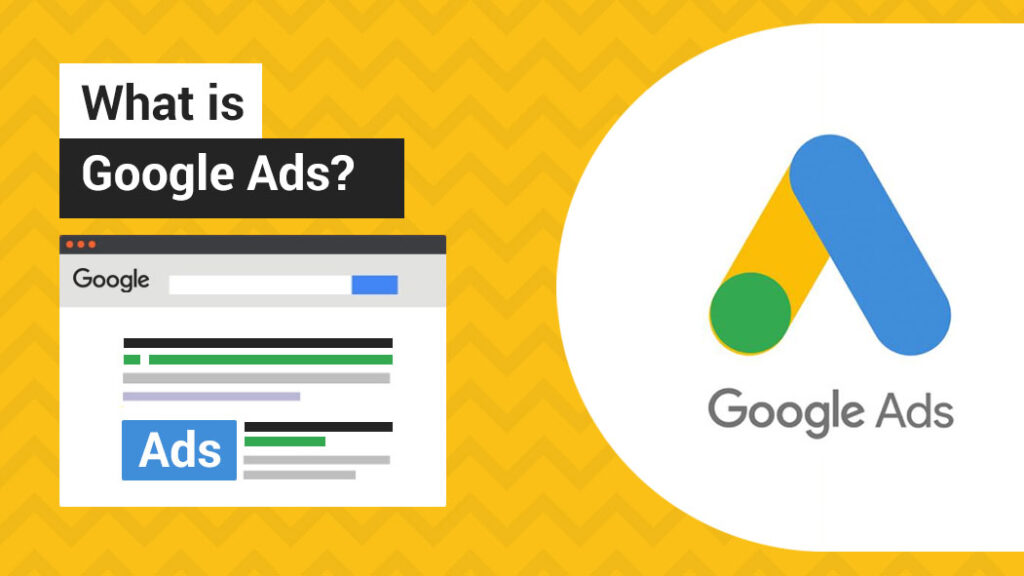
Google Ads is an online advertising platform where businesses display ads on the following:
- Google Search
- YouTube
- Gmail
- Google Display Network
- Partner websites
Google Ads mainly works on intent-based marketing.
This means your ads appear when users actively search for something.
For example:
- “Best digital marketing course”
- “Buy a smartwatch online.”
- “SEO services near me”
Google Ads target users who already have buying intent, making them highly effective for conversions and lead generation.
Main Difference Between Facebook Ads and Google Ads
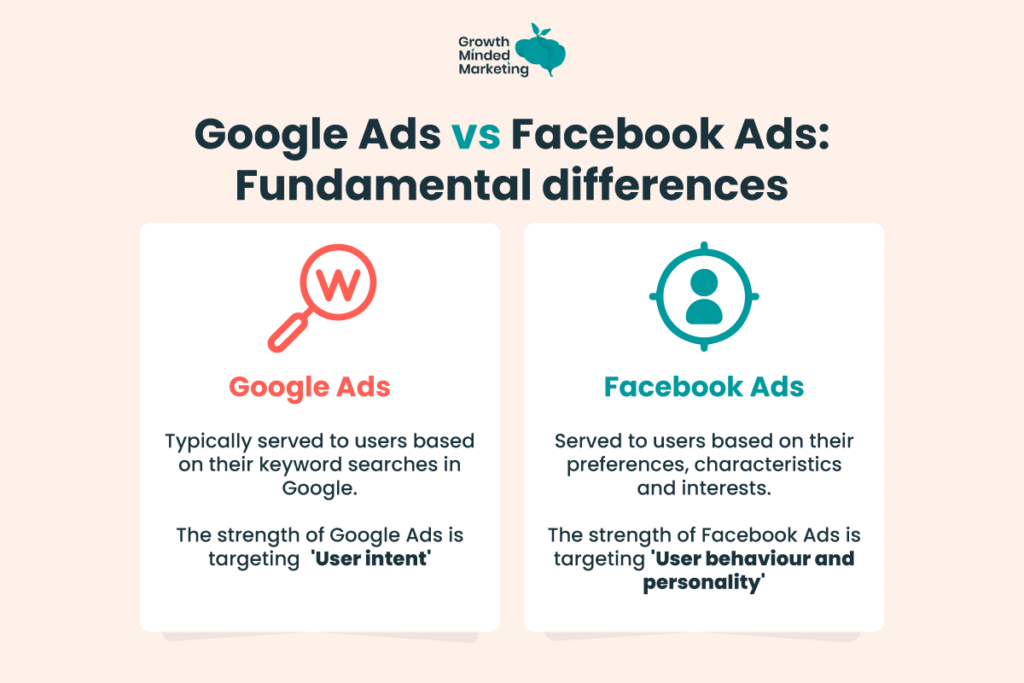
The biggest difference is
Facebook Ads = Demand Creation
Facebook introduces your product to people who may be interested.
Google Ads = Demand Capture
Google targets users already searching for products or services.
Both platforms are important, but they serve different stages of the customer journey.
How Facebook Ads Work
Facebook Ads use advanced audience-targeting algorithms.
Businesses can target users based on:
- Interests
- Lifestyle
- Occupation
- Relationship status
- Device usage
- Shopping behavior
For example:
A fitness brand can target the following:
- Gym lovers
- Yoga enthusiasts
- Protein supplement buyers
- Health-conscious users
Facebook Ads are highly visual and work best with the following:
- Images
- Videos
- Reels
- Carousel ads
- Story ads
How Google Ads Work
Google Ads primarily uses keyword targeting.
Businesses bid on keywords users search for.
Example:
If someone searches:
“Best laptop under ₹50000”
Google shows relevant ads at the top of search results.
Google Ads are powerful because they target users with high purchase intent.
Types of Facebook Ads
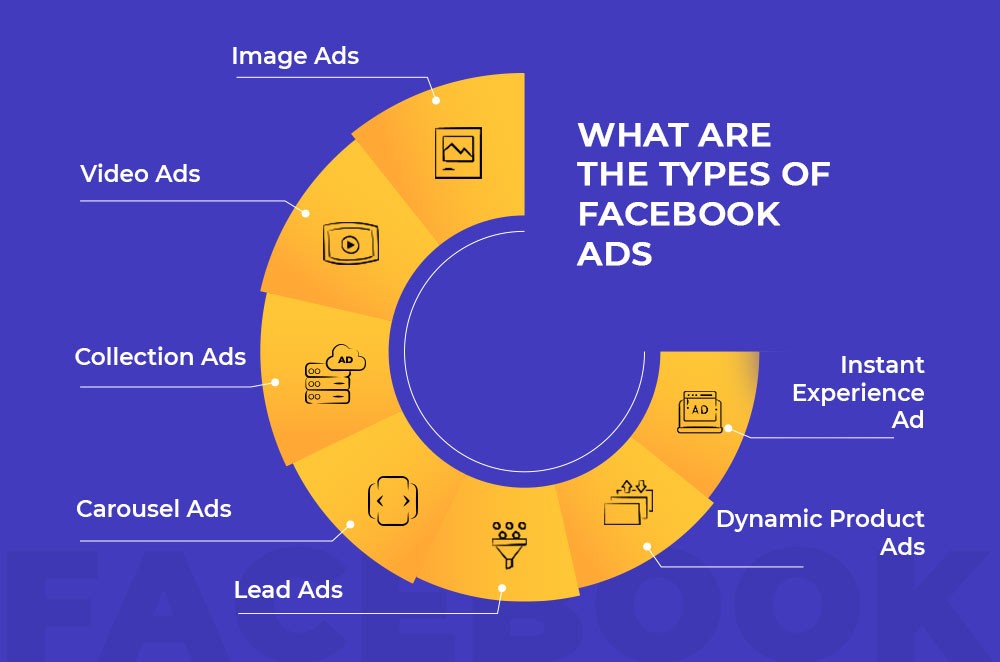
1. Image Ads
Simple image-based promotions.
2. Video Ads
Highly engaging and popular in 2026.
3. Carousel Ads
Multiple images or products in one ad.
4. Story Ads
Full-screen mobile ads.
5. Lead Generation Ads
Collect customer information directly inside Facebook.
6. Reels Ads
Short-form vertical video ads.
Types of Google Ads
1. Search Ads
Text ads are shown on Google search results.
2. Display Ads
Banner ads shown across websites.
3. Shopping Ads
Product-based ads for eCommerce businesses.
4. YouTube Ads
Video advertisements shown on YouTube.
5. App Promotion Ads
Used for mobile app downloads.
Audience Targeting Comparison
Facebook Ads Targeting
Facebook offers detailed audience targeting based on user behavior and interests.
Best for:
- Brand awareness
- Lifestyle products
- Fashion
- Fitness
- Beauty
- Entertainment
Google Ads Targeting
Google focuses more on search intent and keywords.
Best for:
- Service businesses
- High-intent buyers
- Emergency services
- Local searches
- B2B businesses
Which Platform Generates Faster Sales?
Google Ads
Usually generate faster conversions because users already search for solutions.
Example:
- “Buy AC online.”
- “Best dentist near me”
These users already have purchase intent.
Facebook Ads
Facebook Ads often require more nurturing before conversion because users are not actively searching.
However, Facebook can generate massive awareness and impulse buying.
Cost Comparison in 2026
Advertising costs depend on:
- Industry
- Competition
- Audience
- Location
- Ad quality
Facebook Ads Cost
Generally:
- Lower CPC (Cost Per Click)
- Affordable for small businesses
- Better for awareness campaigns
Facebook Ads can be cost-effective for startups with limited budgets.
Google Ads Cost
Google Ads often has the following:
- Higher CPC
- Higher competition
- Better conversion intent
Some industries, like insurance, legal, and finance, have expensive keywords.
Which platform is better for small businesses?
Facebook Ads
Best for:
- Local businesses
- Fashion brands
- Cafes
- Beauty salons
- Coaching institutes
- New businesses
Because they help create awareness at lower costs.
Google Ads
Best for:
- Local services
- Repair businesses
- Healthcare clinics
- Consultants
- Agencies
- High-intent service providers
Facebook Ads Advantages
1. Powerful Audience Targeting
Facebook knows detailed user behavior.
2. Excellent Visual Advertising
Great for showcasing products visually.
3. Lower Advertising Costs
Ideal for beginners and startups.
4. Strong Retargeting Features
You can retarget website visitors effectively.
5. Great for Brand Awareness
Facebook excels at reaching large audiences.
Facebook Ads Disadvantages
1. Lower Buying Intent
Users are scrolling socially, not necessarily shopping.
2. Ad Fatigue
Users may ignore repetitive ads quickly.
3. Requires Creative Content
Poor visuals reduce performance significantly.
Google Ads Advantages
1. High Purchase Intent
Users actively search for products/services.
2. Faster Lead Generation
Excellent for quick conversions.
3. Strong Local Search Visibility
Perfect for local businesses.
4. Multiple Advertising Networks
Search, YouTube, Display, Shopping, and Apps.
5. Better for Service-Based Businesses
Especially for urgent needs.
Google Ads Disadvantages
1. Higher Costs
Competitive keywords can be expensive.
2. Requires Keyword Research
Campaign setup can be technical.
3. Strong Competition
Many businesses compete for top positions.
Facebook Ads vs Google Ads for eCommerce
Facebook Ads
Excellent for:
- Product discovery
- Fashion
- Beauty
- Lifestyle products
- Impulse buying
Visual products perform exceptionally well.
Google Ads
Excellent for:
- Product search intent
- Shopping ads
- High-converting buyers
Best when users already know what they want.
Which platform is better for lead generation?
Google Ads
Better for:
- Lawyers
- Doctors
- Agencies
- Consultants
- Repair services
Because users search with immediate intent.
Facebook Ads
Better for:
- Coaching
- Events
- Webinars
- Awareness campaigns
- Real estate promotions
Importance of Retargeting
Retargeting is essential in 2026.
Most customers do not buy instantly.
Both platforms offer retargeting options:
- Facebook Pixel
- Google Remarketing
Retargeting helps businesses reconnect with previous visitors.
AI and Automation in Advertising
Artificial intelligence now plays a major role in advertising.
Both Meta and Google use AI for:
- Audience optimization
- Smart bidding
- Ad placements
- Performance analysis
In 2026, automation is becoming more powerful, but human creativity still matters.
Which platform is better for brand awareness?
Facebook Ads
Facebook and Instagram dominate visual brand storytelling.
Ideal for:
- Viral content
- Video marketing
- Influencer-style campaigns
Which platform is better for direct sales?
Google Ads
Google performs better for:
- Immediate purchases
- Service inquiries
- Search-based buying decisions
Can Businesses Use Both Platforms Together?
Absolutely.
In fact, combining both platforms often gives the best results.
Example Strategy
Facebook Ads:
- Create awareness
- Reach new audiences
- Build engagement
Google Ads:
- Capture high-intent searches
- Convert interested users
- Retarget visitors
This combination creates a full marketing funnel.
Beginner Tips for Facebook Ads
- Use high-quality visuals
- Test multiple creatives
- Focus on mobile users
- Create engaging videos
- Use retargeting campaigns
Beginner Tips for Google Ads
- Start with long-tail keywords
- Use location targeting
- Optimize landing pages
- Monitor keyword performance
- Avoid broad keyword targeting initially
Future of Digital Advertising in 2026
The future of advertising includes:
- AI-powered campaigns
- Voice search ads
- Personalized targeting
- Video-first advertising
- Privacy-focused tracking
- Automation and predictive analytics
Businesses that adapt quickly will gain major advantages.
Final Verdict: Which One Should You Choose?
The best platform depends on your business goals.
Choose Facebook Ads If You Want the Following:
- Brand awareness
- Lower advertising costs
- Visual storytelling
- Audience engagement
- Social media growth
Choose Google Ads If You Want the Following:
- Faster conversions
- High-intent traffic
- Lead generation
- Local customer searches
- Immediate sales
Conclusion
Both Facebook Ads and Google Ads are powerful platforms for business growth in 2026, but they work differently.
Facebook Ads are excellent for discovering new audiences, building brand awareness, and creating emotional engagement through visual content. They are especially useful for lifestyle brands, startups, and businesses looking to grow their online presence at lower costs.
On the other hand, Google Ads focuses on capturing users who are already searching for products or services. This makes Google highly effective for lead generation, local businesses, and direct sales.
Instead of thinking about Facebook Ads vs. Google Ads as a competition, businesses should understand how both platforms complement each other.
A smart digital marketing strategy often combines:
- Facebook for awareness
- Google for conversions
The most successful businesses in 2026 are those that understand customer behavior, use data intelligently, create quality content, and continuously optimize their campaigns.
No matter which platform you choose, success comes from the following:
- Proper targeting
- Strong creatives
- Valuable offers
- Consistent testing
- Understanding your audience
Digital advertising is evolving rapidly, and businesses that learn and adapt will continue to grow in the competitive online market.
FAQ
1. What are Facebook Ads and Google Ads?
Facebook Ads are paid advertisements displayed across the Meta ecosystem, including Facebook, Instagram, Messenger, and Audience Network. Google Ads are paid advertisements shown on Google’s search results, YouTube, Display Network, and partner websites.
2. What is the main difference between Facebook Ads and Google Ads?
The biggest difference is user intent. Google Ads target users actively searching for products or services, while Facebook Ads target users based on interests, demographics, and behaviors.
3. Which platform is better for generating sales?
Google Ads often perform better for immediate sales because users are already searching for solutions. Facebook Ads are excellent for creating demand and nurturing potential customers.
4. Which platform is better for brand awareness?
Facebook Ads are generally better for brand awareness because they offer visually engaging ad formats and advanced audience targeting capabilities.
5. Are Facebook Ads cheaper than Google Ads?
In many industries, Facebook Ads have a lower cost per click (CPC) than Google Ads. However, actual costs vary depending on competition, audience targeting, and campaign objectives.
6. Which platform offers better audience targeting?
Facebook Ads provide highly detailed targeting based on interests, behaviors, demographics, and engagement history, making them powerful for reaching specific audiences.
7. What types of businesses benefit most from Google Ads?
Google Ads work particularly well for:
- Local service businesses
- E-commerce stores
- B2B companies
- Professional services
- Businesses targeting high-intent buyers
8. What types of businesses benefit most from Facebook Ads?
Facebook Ads are ideal for:
- E-commerce brands
- Fashion businesses
- Beauty brands
- Lifestyle products
- Startups building brand awareness
- Businesses with visually appealing products
9. Can I use Facebook Ads and Google Ads together?
Yes. Many successful businesses use both platforms simultaneously to maximize reach, generate awareness, and capture high-intent customers.
10. Which platform is better for lead generation?
Both can generate leads effectively. Google Ads often deliver higher-intent leads, while Facebook Ads can generate leads at a lower cost through targeted campaigns.