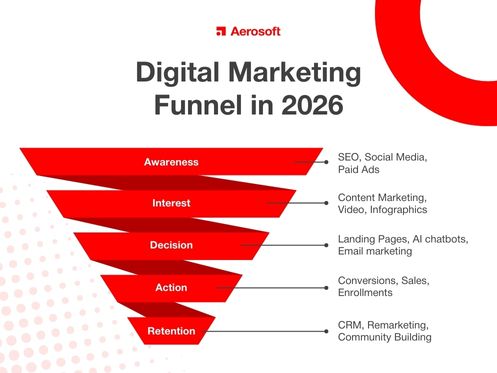
In today’s digital world, getting people to visit your website is not enough. The real goal is to turn those visitors into customers and keep them coming back. This is where a digital marketing funnel becomes important.
A digital marketing funnel helps businesses understand how customers move from finding a brand for the first time to making a purchase and becoming loyal customers. It gives businesses a clear plan to guide people at every stage of their journey.
No matter if you have an online store, a service-based business, or a startup, a well-planned marketing funnel can help you attract the right audience, generate quality leads, and increase sales over time.
Many businesses spend a lot of money on ads but still don’t get good results. The main reason is that they don’t have a proper system to guide visitors toward taking action. A strong digital marketing funnel solves this problem by moving potential customers step by step until they are ready to buy.
In this blog, you’ll learn what a digital marketing funnel is, why it’s important, and how you can build an effective digital marketing funnel in 2026 to grow your business successfully.
What is a Digital Marketing Funnel?
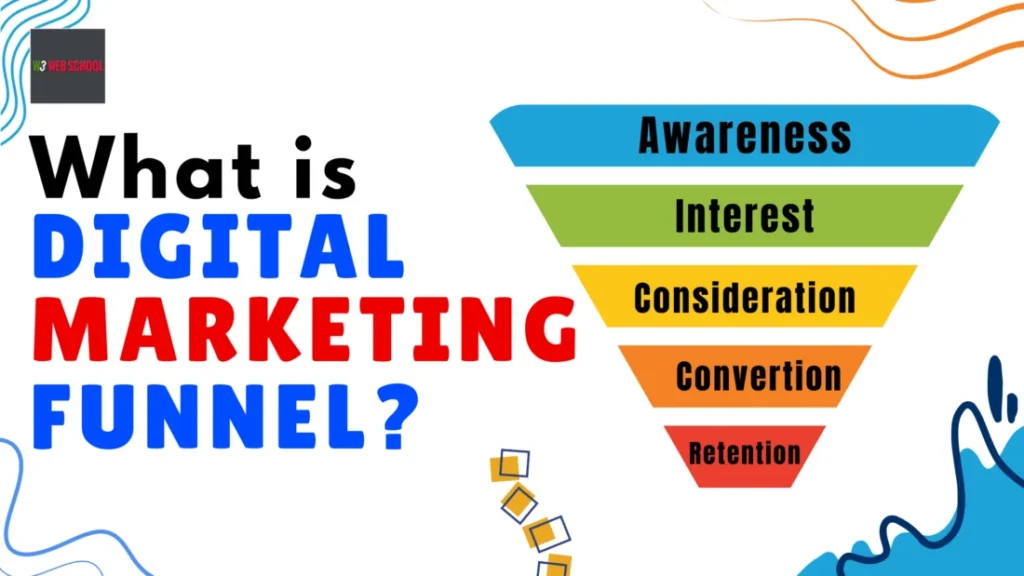
A digital marketing funnel is a process that guides potential customers through different stages before they make a purchase. It represents the journey from awareness to conversion and customer retention.
The funnel is called a “funnel” because many people enter at the top, but only a smaller number become paying customers at the bottom.
A typical digital marketing funnel includes:
- Awareness Stage
- Interest Stage
- Consideration Stage
- Conversion Stage
- Retention Stage
Each stage requires different marketing strategies and content.
Why is a digital marketing funnel important?
A digital marketing funnel helps businesses:
- Understand customer behavior
- Increase conversion rates
- Generate high-quality leads
- Improve customer experience
- Increase return on investment (ROI)
- Build long-term customer relationships
Without a proper funnel, businesses often waste money on ads and marketing campaigns that do not produce results.
Stages of a Winning Digital Marketing Funnel
1. Awareness Stage
The awareness stage is the top of the funnel, where people first discover your brand. At this stage, customers may not know about your business or may not even realize they have a problem.
Your goal here is to attract attention and build brand awareness.
Best Strategies for Awareness Stage
- Search Engine Optimization (SEO)
- Social Media Marketing
- Google Ads
- Content Marketing
- YouTube Marketing
- Influencer Marketing
- Blog Posting
Example
Suppose you own a fitness brand. A person searching for “best weight loss tips” may discover your blog or social media page for the first time.
Best Content Types
- Blog posts
- Infographics
- Videos
- Reels
- Podcasts
- Educational content
2. Interest Stage
Once people become aware of your brand, the next step is building interest.
At this stage, users start learning more about your products or services. They compare brands and look for solutions to their problems.
How to Build Interest
- Offer free guides or eBooks
- Create engaging email campaigns
- Share customer success stories
- Publish case studies
- Provide free webinars
Example
A user downloads your free “Digital Marketing Strategy Guide” and joins your email list.
Best Tools
- Email Marketing
- Lead Magnets
- Landing Pages
- CRM Software
3. Consideration Stage
In the consideration stage, customers evaluate whether your business is the right choice.
This is where trust becomes extremely important.
Strategies for Consideration Stage
- Product demonstrations
- Testimonials
- Reviews
- Free trials
- Comparison articles
- Retargeting ads
Example
A customer compares your digital marketing course with competitors before making a final decision.
Content Ideas
- Product comparison blogs
- Customer reviews
- Demo videos
- FAQ pages
4. Conversion Stage
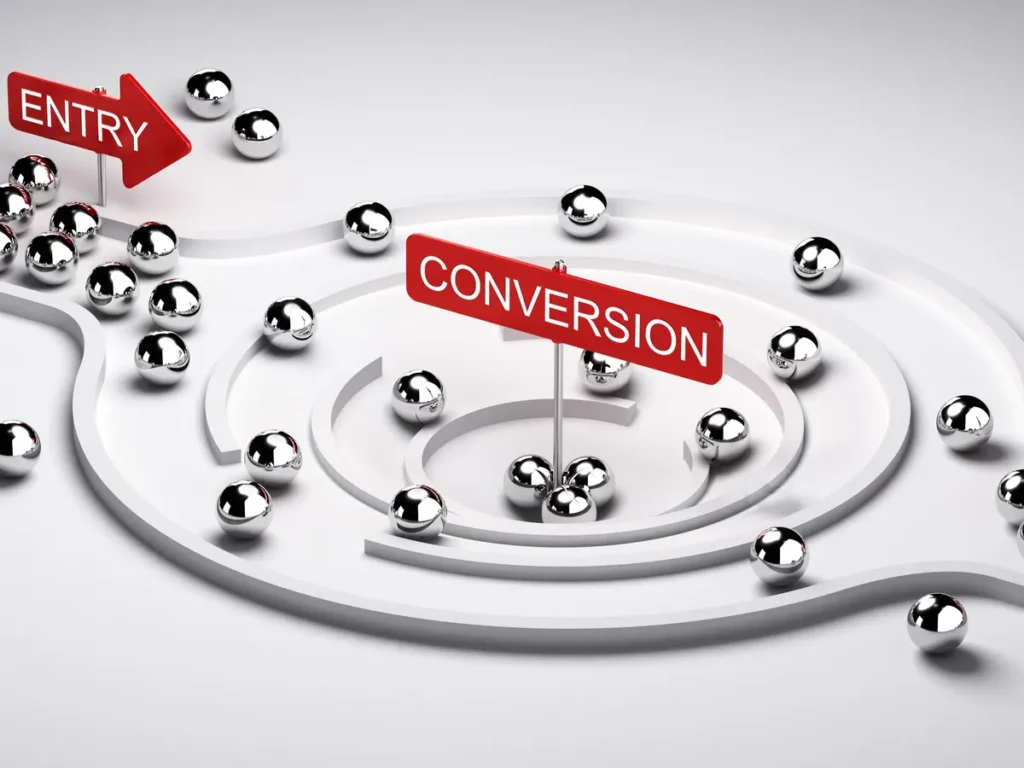
This is the most important stage of the funnel where the customer takes action.
The action could include:
- Purchasing a product
- Booking a consultation
- Filling out a lead form
- Subscribing to a service
How to Increase Conversions
- Use strong call-to-actions (CTAs)
- Offer limited-time discounts
- Simplify the checkout process
- Optimize landing pages
- Use trust badges and guarantees
Example CTA
- Buy Now
- Get Started
- Book a Free Consultation
- Claim Your Offer
Conversion Optimization Tips
- Improve website speed
- Use a mobile-friendly design
- Add live chat support
- Reduce unnecessary form fields
5. Retention Stage
Many businesses focus only on getting new customers but ignore existing ones.
Customer retention is one of the most important parts of a successful digital marketing funnel.
Returning customers are more likely to buy again and recommend your brand to others.
Retention Strategies
- Email newsletters
- Loyalty programs
- Personalized offers
- Customer support
- Remarketing campaigns
Example
An e-commerce brand sends personalized product recommendations based on previous purchases.
How to Build a Winning Digital Marketing Funnel
Step 1: Understand Your Target Audience
Before creating a funnel, you must know your audience.
Understand:
- Age group
- Interests
- Problems
- Buying behavior
- The online platforms they use
Tools to Research Audience
- Google Analytics GA4
- Facebook Audience Insights
- Surveys
- Keyword research tools
Step 2: Create Valuable Content
Content is the foundation of a digital marketing funnel.
Your content should educate, solve problems, and build trust.
Types of Funnel Content
| Funnel Stage | Content Type |
|---|---|
| Awareness | Blogs, Videos, Social Posts |
| Interest | eBooks, Webinars |
| Consideration | Case Studies, Testimonials |
| Conversion | Landing Pages, Sales Pages |
| Retention | Email Campaigns |
Step 3: Drive Traffic to Your Funnel
Without traffic, your funnel cannot generate leads or sales.
Best Traffic Sources
- SEO
- Google Ads
- Facebook Ads
- Instagram Marketing
- LinkedIn Marketing
- YouTube Ads
- Influencer Marketing
Organic and paid traffic should work together for better results.
Step 4: Capture Leads Effectively
Lead generation is a crucial part of the funnel.
Best Lead Capture Methods
- Pop-up forms
- Landing pages
- Free downloads
- Email subscriptions
- Free consultations
Important Tip
Always offer value in exchange for user information.
Step 5: Nurture Leads Through Email Marketing
Not all visitors buy immediately.
Email marketing helps nurture leads and move them toward conversion.
Effective Email Sequence
- Welcome email
- Educational email
- Case study email
- Offer email
- Follow-up email
Consistency is key.
Best Tools for Building a Digital Marketing Funnel
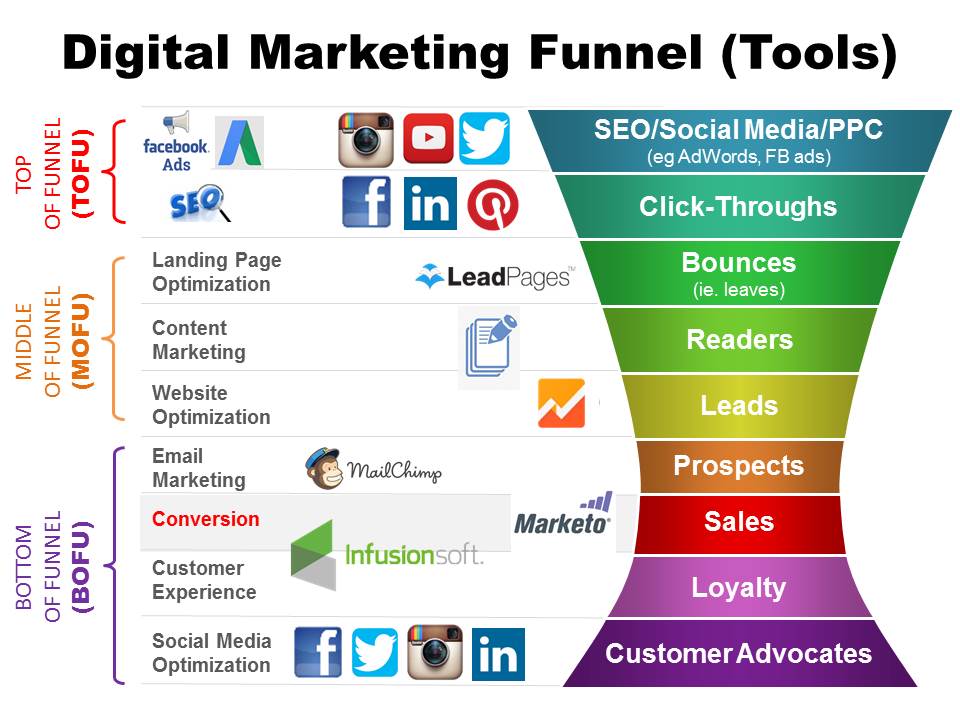
1. Google Analytics GA4
Helps track user behavior and funnel performance.
2. HubSpot
Excellent CRM and email marketing platform.
3. ClickFunnels
Popular funnel-building software.
4. Mailchimp
Useful for email automation.
5. SEMrush
Great for SEO and keyword research.
Common Mistakes to Avoid
Ignoring Mobile Users
Most traffic now comes from smartphones. Your funnel must be mobile-friendly.
Weak Call-to-Action
A poor CTA can reduce conversions significantly.
No Follow-Up Strategy
Many businesses lose leads because they fail to follow up.
Focusing Only on Traffic
Traffic without conversions is useless.
Complicated Checkout Process
A long checkout process can increase cart abandonment.
Latest Digital Marketing Funnel Trends in 2026
AI-Powered Personalization
Artificial intelligence helps deliver personalized customer experiences.
Voice Search Optimization
More users are searching through voice assistants.
Video Marketing Dominance
Short-form videos continue to drive high engagement.
Automation Tools
Marketing automation saves time and improves efficiency.
Omnichannel Marketing
Businesses now connect with customers across multiple platforms.
Tips for Higher Funnel Conversions
- Use emotional storytelling
- Add social proof
- Optimize page speed
- Test different headlines
- Use retargeting ads
- Offer free value first
- Build trust through reviews
Small improvements can create major conversion growth over time.
Real-Life Example of a Digital Marketing Funnel
Imagine an online fashion brand.
Awareness
A user sees an Instagram Reel about fashion trends.
Interest
The user visits the website and downloads a style guide.
Consideration
The brand sends emails showcasing customer reviews and best-selling products.
Conversion
The user receives a discount code and places an order.
Retention
The customer receives loyalty rewards and personalized recommendations.
This is how a successful funnel works in real business situations.
Benefits of a Strong Digital Marketing Funnel
- Higher sales conversions
- Better customer engagement
- Improved lead quality
- Increased brand trust
- Long-term business growth
- Better ROI on advertising spend
A strong funnel creates predictable and scalable growth.
Conclusion
A winning digital marketing funnel is essential for business success in 2026. It helps businesses attract the right audience, nurture leads, increase conversions, and retain customers for long-term growth.
Instead of randomly running ads or posting content, businesses should focus on creating a structured customer journey. Every stage of the funnel plays an important role in turning visitors into loyal customers.
Whether you are a beginner or an experienced marketer, investing time in building a powerful digital marketing funnel can transform your online business results.
The key is consistency, optimization, and understanding your customers’ needs. Start with a simple funnel, analyze performance regularly, and continue improving your strategies over time.
With the right approach, your digital marketing funnel can become one of the most valuable assets for your business growth.
FAQ
1. What is a digital marketing funnel?
A digital marketing funnel is a step-by-step process that guides potential customers from discovering your brand to becoming paying customers and loyal advocates.
2. Why is a marketing funnel important in 2026?
A marketing funnel helps businesses attract qualified leads, nurture prospects, improve conversion rates, and maximize return on investment (ROI) through a structured customer journey.
3. What are the main stages of a digital marketing funnel?
The typical funnel consists of:
- Awareness
- Interest
- Consideration
- Conversion
- Retention
- Advocacy
4. What happens during the awareness stage?
At the awareness stage, potential customers discover your brand through channels such as SEO, social media, paid advertising, blogs, videos, and influencer marketing.
5. How can businesses attract top-of-funnel traffic?
Businesses can attract visitors through:
- Search Engine Optimization (SEO)
- Content Marketing
- Social Media Marketing
- Video Marketing
- Paid Advertising
- Influencer Collaborations
6. What is the interest stage in a marketing funnel?
The interest stage occurs when users engage with your content, learn about your products or services, and begin considering your brand as a solution.
7. How do you nurture leads in the consideration stage?
Lead nurturing strategies include:
- Email marketing campaigns
- Educational content
- Case studies
- Webinars
- Product demonstrations
- Retargeting advertisements
8. What is the conversion stage?
The conversion stage is when a prospect takes a desired action, such as making a purchase, filling out a form, booking a consultation, or subscribing to a service.
9. How can landing pages improve conversions?
Well-designed landing pages with clear messaging, strong calls-to-action (CTAs), trust signals, and optimized user experiences can significantly improve conversion rates.
10. What role does content marketing play in a digital marketing funnel?
Content marketing helps educate, engage, and persuade prospects at every stage of the funnel, moving them closer to conversion.