If you have a website in 2026, learning Search Engine Optimisation (SEO) is very important. Whether you own a business, write a blog, sell products online, or work as a freelancer, SEO helps people find your website on search engines like Google and Microsoft Bing.
Today, there are millions of websites on the internet, and the competition is growing every day. People want quick, useful, and reliable information when they search online. This is why SEO is so important. It helps your website rank higher in search results, attract the right visitors, build trust, and increase leads or sales without paying for ads.
SEO is no longer only about using the right keywords. In 2026, search engines also look at user experience, high-quality and helpful content, website speed, mobile-friendly design, AI-powered search, voice search, and the overall value your website provides to users.
This beginner-friendly guide will explain SEO step by step in simple and easy-to-understand language, so you can learn the basics and start improving your website.
What is SEO?
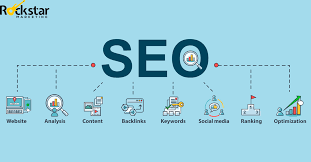
SEO (Search Engine Optimization) is the process of improving your website so that it ranks higher on search engines when users search for related topics.
For example:
- If someone searches for “best digital marketing course.”
- Or “how to start an export-import business.”
- Or “best smartwatch under ₹5000.”
Search engines show the most relevant and high-quality pages first.
SEO helps your website become one of those top results.
Why SEO is Important in 2026
SEO has evolved significantly over the years. Earlier, websites could rank by simply stuffing keywords. But in 2026, search engines will use advanced AI systems to understand
- User intent
- Content quality
- Website trustworthiness
- User engagement
- Mobile experience
- Real expertise
Here’s why SEO matters more than ever:
1. Organic Traffic is free.
Unlike paid ads, SEO can bring long-term visitors without paying for every click.
2. Builds Trust and Authority
People trust websites that appear on the first page of search results.
3. Better User Experience
Modern SEO improves website speed, navigation, readability, and mobile friendliness.
4. Higher Conversion Rates
SEO brings targeted users who are already searching for your products or services.
5. Long-Term Business Growth
Good SEO can generate consistent traffic for years.
How Search Engines Work
Before learning SEO techniques, it’s important to understand how search engines work.
Search engines mainly follow 3 steps:
1. Crawling
Search engine bots scan websites and discover pages.
2. Indexing
The discovered pages are stored in the search engine database.
3. Ranking
Search engines decide which pages deserve top positions based on quality and relevance.
Types of SEO
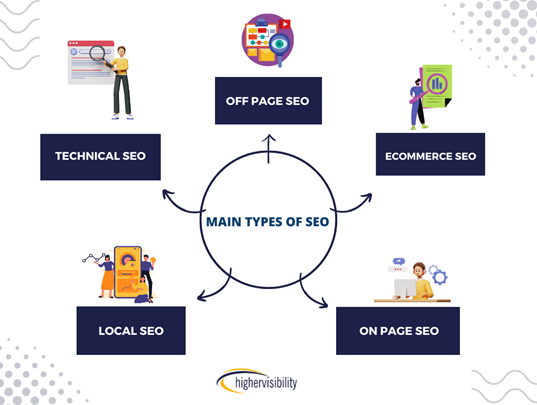
SEO is divided into different categories.
1. On-Page SEO
On-page SEO focuses on optimizing content and webpage elements.
Examples include:
- Keywords
- Titles
- Meta descriptions
- Headings
- Images
- Internal links
- Content quality
2. Off-Page SEO
Off-page SEO improves website authority through external activities.
Examples include:
- Backlinks
- Guest posting
- Brand mentions
- Social sharing
3. Technical SEO
Technical SEO improves website performance and structure.
Examples include:
- Website speed
- Mobile optimization
- SSL security
- Sitemap
- Structured data
4. Local SEO
Local SEO helps businesses rank in local searches.
Example:
“Best cafe near me.”
“Digital marketing institute in Delhi.”
Keyword Research: The Foundation of SEO
Keywords are the words people type into search engines.
Finding the right keywords is the first step to SEO success.
Types of Keywords
Short-Tail Keywords
Example:
- SEO
- Marketing
- Smartwatch
These are competitive and broad.
Long-Tail Keywords
Example:
- Beginner SEO guide for small businesses
- Best smartwatch under ₹3000 for students
These are easier to rank and bring targeted visitors.
Best Keyword Research Tools in 2026
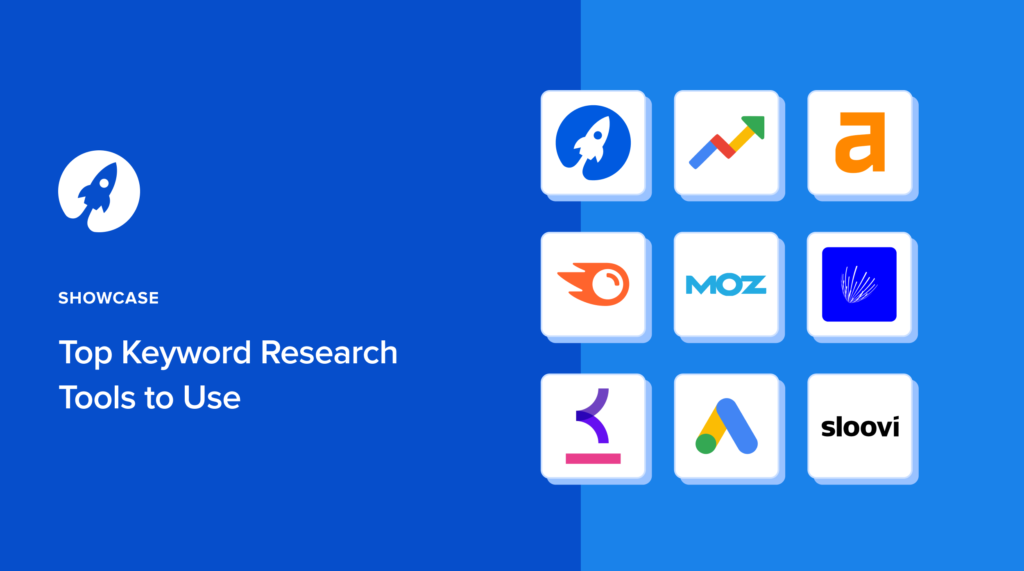
Some popular keyword tools include:
On-Page SEO Checklist
1. Write High-Quality Content
Content is still king in 2026.
Your content should be:
- Helpful
- Original
- Easy to read
- Human-focused
- Updated regularly
Search engines now prioritize content that genuinely solves user problems.
2. Optimize Title Tags
Your title should:
- Include primary keyword
- Be attractive
- Stay under 60 characters
Example:
“Complete Beginner’s Guide to SEO in 2026”
3. Use Meta Descriptions
Meta descriptions improve click-through rates.
Example:
“Learn SEO step-by-step in this beginner-friendly SEO guide for 2026. Discover keyword research, on-page SEO, backlinks, technical SEO, and ranking strategies.”
4. Use Proper Heading Structure
Use:
- H1 for title
- H2 for main sections
- H3 for subtopics
This improves readability and SEO structure.
5. Optimize Images
Image SEO is important because visual search is growing rapidly.
Tips:
- Compress images
- Use ALT text
- Add descriptive file names
Example:beginner-seo-guide-2026.jpg
6. Internal Linking
Link related pages within your website.
Benefits:
- Better navigation
- Improved crawlability
- More engagement
7. Mobile Optimization
Most users browse websites on mobile devices.
Your website should:
- Load fast
- Be responsive
- Have readable fonts
- Use simple navigation
Technical SEO Basics
Technical SEO helps search engines understand your website better.
1. Improve Website Speed
Fast websites rank better.
Use tools like:
2. Use HTTPS Security
Secure websites gain more trust.
Install SSL certificates to move from:http://
tohttps://
3. Create XML sitemap.
A sitemap helps search engines discover pages quickly.
4. Fix Broken Links
Broken links hurt user experience and SEO.
Regularly audit your website.
5. Use Structured Data
Structured data helps search engines understand content better.
It can improve rich snippets in search results.
Content Marketing and SEO
SEO and content marketing work together.
Without quality content, SEO cannot succeed.
Best Content Types in 2026
- Blog posts
- Tutorials
- Videos
- Infographics
- Product reviews
- Case studies
- AI-assisted interactive content
AI and SEO in 2026
Artificial intelligence has transformed SEO completely.
Search engines now analyze:
- User satisfaction
- Expertise
- Behavioral signals
- Search intent
- Content authenticity
AI-generated content alone is not enough anymore.
Human experience and originality matter more.
Voice Search Optimization
Voice searches are increasing because of smart devices.
Example voice searches:
- “What is SEO?”
- “Best SEO tools in 2026”
- “How to rank a website fast?”
Voice SEO Tips
- Use conversational language
- Answer questions directly
- Add FAQs
- Optimize for featured snippets
Importance of E-E-A-T in SEO
Search engines now prioritize:
- Experience
- Expertise
- Authoritativeness
- Trustworthiness
This is called E-E-A-T.
To improve E-E-A-T:
- Publish accurate information
- Show author details
- Add real experience
- Get quality backlinks
- Maintain website credibility
Link Building in 2026
Backlinks remain one of the strongest ranking factors.
A backlink means another website links to your site.
Good Backlink Sources
- Guest posting
- Industry blogs
- News websites
- Business directories
- Social media mentions
SEO Mistakes Beginners Should Avoid
1. Keyword Stuffing
Using keywords excessively looks spammy.
2. Copying Content
Duplicate content can reduce rankings.
3. Ignoring Mobile Users
Mobile-first indexing is essential now.
4. Buying Spammy Backlinks
Low-quality backlinks can harm your website.
5. Ignoring User Experience
Poor navigation and slow loading reduce rankings.
Best SEO Tools for Beginners
Free SEO Tools
Paid SEO Tools
SEO Trends in 2026
The SEO industry continues evolving rapidly.
Important trends include:
1. AI Search Results
AI-generated summaries are changing search behavior.
2. Visual Search
Image-based searches are growing.
3. Video SEO
Video content performs extremely well.
Platforms like YouTube influence search visibility significantly.
4. User Experience Signals
Engagement metrics matter more than ever.
5. Zero-Click Searches
Search engines increasingly provide direct answers.
Beginner SEO Strategy for Fast Growth
Here’s a simple SEO plan beginners can follow:
Step 1:
Choose one niche
Step 2:
Research low-competition keywords
Step 3:
Create high-quality, helpful content
Step 4:
Optimize titles, headings, and images
Step 5:
Improve website speed
Step 6:
Build quality backlinks
Step 7:
Track performance using analytics tools
Step 8:
Update old content regularly
How Long Does SEO Take?
SEO is a long-term process.
Typically:
- Small improvements: 1–3 months
- Moderate rankings: 4–6 months
- Strong authority growth: 6–12 months
Consistency is the key.
Future of SEO
The future of SEO will focus on:
- Human-first content
- AI-assisted search
- Personalization
- Search intent
- Trust and authority
- Multimedia content
Websites that genuinely help users will continue to win.
Conclusion
SEO in 2026 is smarter, more user-focused, and more competitive than ever before. However, beginners should not feel overwhelmed. The core principle of SEO remains simple:
Create valuable content that helps people.
Search engines are designed to reward websites that provide real value, trustworthy information, fast performance, and a great user experience.
Instead of trying shortcuts or outdated tricks, focus on learning the basics properly:
- Understand keywords
- Create quality content
- Improve website performance
- Build trust and authority
- Stay updated with SEO trends
SEO is not an overnight success strategy, but with patience and consistency, it can become one of the most powerful digital marketing channels for long-term growth.
Whether you are starting a blog, growing a business website, or building an online brand, learning SEO today can open massive opportunities in the future.
Start small, stay consistent, and keep learning — because SEO is a journey, not a one-time task.
FAQ
1. What is SEO?
SEO (Search Engine Optimization) is the process of improving a website’s visibility in search engine results to attract more organic (non-paid) traffic.
2. Why is SEO important in 2026?
SEO remains one of the most effective digital marketing strategies because it helps businesses increase website traffic, improve brand visibility, and generate qualified leads without relying entirely on paid advertising.
3. How do search engines work?
Search engines use crawlers to discover web pages, index their content, and rank them based on relevance, quality, user experience, and search intent.
4. What are the main types of SEO?
The three primary types of SEO are:
- On-Page SEO
- Off-Page SEO
- Technical SEO
5. What is On-Page SEO?
On-Page SEO involves optimizing content, titles, headings, URLs, images, and internal links to improve rankings and user experience.
6. What is Off-Page SEO?
Off-Page SEO focuses on activities outside your website, such as link building, brand mentions, and social signals that help improve authority and trust.
7. What is Technical SEO?
Technical SEO involves optimizing website speed, mobile usability, crawlability, indexing, security, and overall site performance.
8. What is keyword research?
Keyword research is the process of identifying words and phrases people use in search engines to find information, products, or services related to your business.
9. Why are keywords important for SEO?
Keywords help search engines understand your content and connect it with users searching for relevant information.
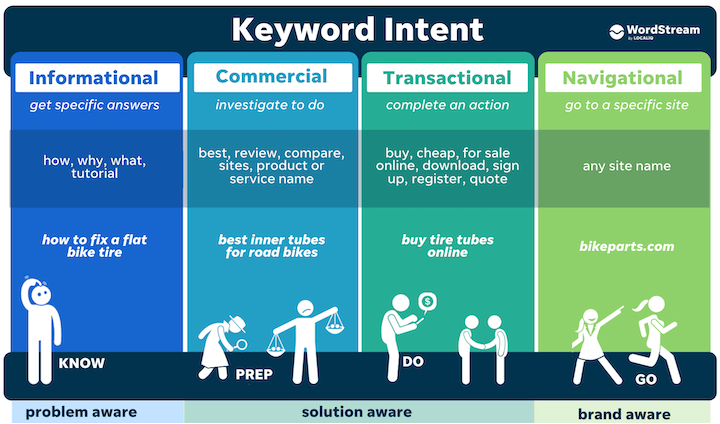
10. What is search intent?
Search intent refers to the reason behind a user’s search query, such as finding information, comparing products, or making a purchase.