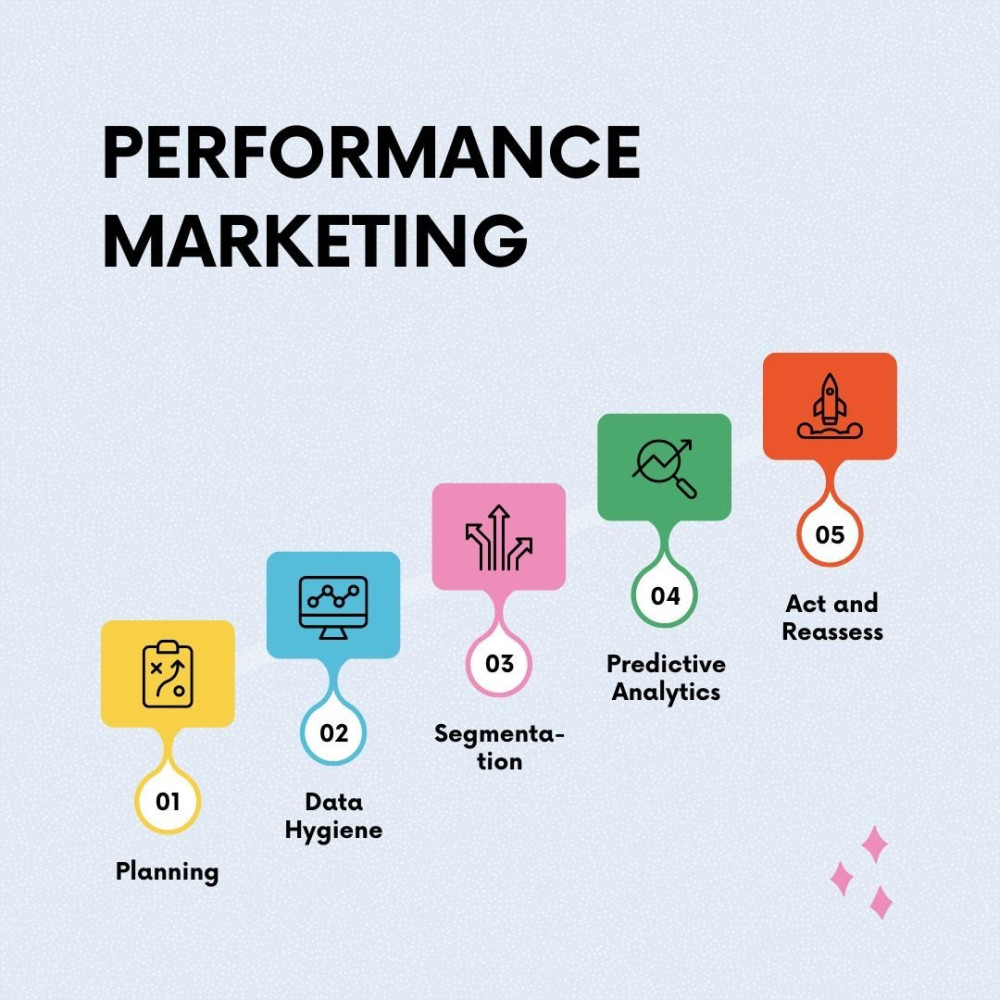
In today’s digital-first world, businesses are constantly searching for smarter ways to attract customers, increase conversions, and maximise return on investment (ROI). Traditional advertising methods often make it difficult to measure exact results, which is why companies are rapidly shifting toward performance marketing.
Performance marketing has become one of the most effective digital marketing strategies because it focuses entirely on measurable outcomes. Whether the goal is generating leads, increasing website traffic, boosting app installs, or driving online sales, performance marketing ensures businesses only pay for actual results.
From startups to multinational brands like Google, Meta, and Amazon, companies worldwide are investing heavily in performance-driven campaigns to stay competitive.
This comprehensive guide explains everything you need to know about performance marketing, including its meaning, benefits, channels, strategies, tools, KPIs, challenges, and future trends.
What is Performance Marketing?

Performance marketing is a digital marketing strategy where advertisers pay only when a specific action is completed. These actions may include:
- Clicks
- Leads
- Sales
- App installs
- Form submissions
- Downloads
- Website visits
Unlike traditional marketing, where businesses pay upfront for exposure regardless of results, performance marketing focuses on accountability and measurable outcomes.
For example, if an e-commerce company runs a campaign on Google Ads, they only pay when users click on the advertisement. Similarly, affiliate marketers earn commissions only when they successfully generate a sale or lead.
This model makes performance marketing highly cost-effective and data-driven.
How Performance Marketing Works
Performance marketing involves four major components:
1. Advertiser
The advertiser is the business or brand promoting products or services.
2. Publisher or Affiliate
Publishers promote the advertiser’s offerings through websites, blogs, social media, or email marketing.
3. Tracking Platform
Tracking tools monitor user behavior, conversions, clicks, and campaign performance.
4. Consumer
The consumer interacts with the advertisement and completes the desired action.
The entire process depends on analytics, optimization, and accurate tracking systems.
Key Types of Performance Marketing
1. Search Engine Marketing (SEM)
Search engine marketing involves running paid advertisements on search engines like Google and Microsoft Bing.
Businesses bid on keywords relevant to their products or services. When users search for those keywords, ads appear at the top of search results.
Benefits
- High-intent audience targeting
- Immediate traffic
- Measurable ROI
- Better conversion opportunities
Example
A company selling fitness equipment may target keywords such as:
- Best treadmill online
- Home gym equipment
- Buy dumbbells online
2. Social Media Advertising
Social media platforms allow brands to run highly targeted advertising campaigns.
Popular platforms include:
- Meta Facebook
- TikTok
- Snapchat
Advantages
- Audience segmentation
- Retargeting capabilities
- Visual engagement
- Scalable campaigns
Social media advertising is especially effective for brand awareness, lead generation, and e-commerce sales.
3. Affiliate Marketing
Affiliate marketing is one of the most popular forms of performance marketing.
In this model:
- Affiliates promote products
- Businesses pay commissions for successful sales or leads
Many influencers, bloggers, and content creators monetize their audiences through affiliate partnerships.
Popular Affiliate Networks
- Amazon Associates
- CJ Affiliate
- ShareASale
- Rakuten Advertising
Benefits
- Low upfront cost
- Broader audience reach
- Pay-for-performance structure
4. Native Advertising
Native advertising blends promotional content naturally within a website or platform.
These ads match the platform’s design and style, making them less intrusive.
Examples include:
- Sponsored articles
- Recommended content widgets
- Promoted stories
Native ads often achieve higher engagement because they feel more organic.
5. Influencer Marketing
Influencer marketing has evolved into a performance-based strategy in which influencers are compensated based on measurable results.
Brands collaborate with:
- Instagram creators
- YouTube influencers
- Bloggers
- TikTok personalities
Performance Metrics
- Sales generated
- Coupon code usage
- Link clicks
- Engagement rates
This strategy helps brands build trust and credibility among targeted audiences.
Benefits of Performance Marketing
1. Measurable Results
One of the biggest advantages of performance marketing is transparency. Businesses can track the following:
- Impressions
- Clicks
- Leads
- Sales
- Revenue
- Customer acquisition costs
This data enables marketers to make informed decisions.
2. Better ROI
Since advertisers only pay for specific actions, marketing budgets are utilized more efficiently.
This minimizes wasted spending and improves overall profitability.
3. Advanced Targeting
Modern advertising platforms use artificial intelligence and machine learning to target users based on the following:
- Interests
- Demographics
- Search behavior
- Purchase history
- Location
Precise targeting improves campaign effectiveness.
4. Real-Time Optimization
Performance marketing campaigns can be optimized instantly.
Marketers can:
- Pause underperforming ads
- Adjust budgets
- Change creatives
- Test headlines
- Improve landing pages
This flexibility increases conversion rates.
5. Scalability
Successful campaigns can be scaled quickly by increasing ad budgets and expanding audience reach.
Businesses can grow rapidly without major operational changes.
Important Performance Marketing Metrics
1. Cost Per Click (CPC)
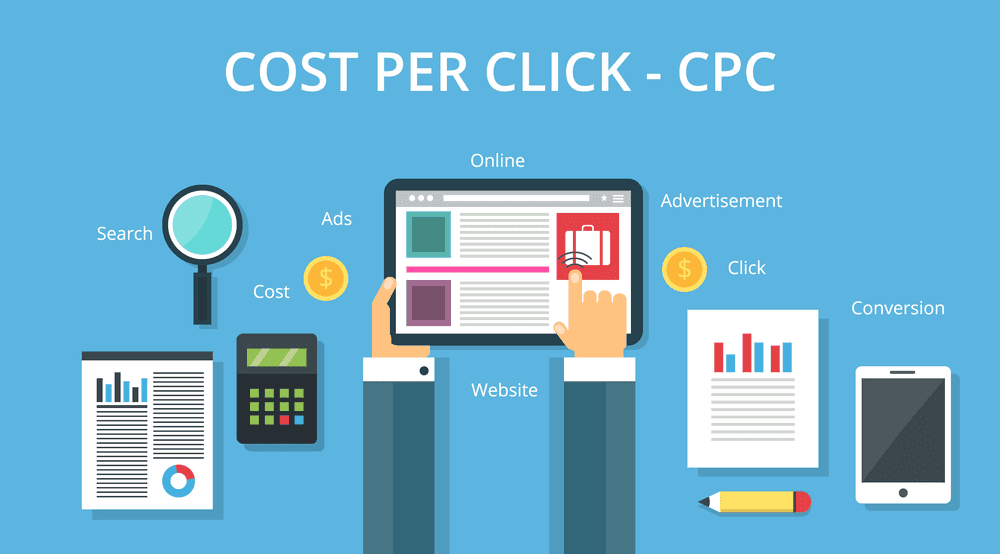
CPC measures the amount advertisers pay when someone clicks on an ad.
Formula
Cost ÷ Number of Clicks
2. Cost Per Acquisition (CPA)
CPA calculates the cost of acquiring a customer.
Formula
Total Campaign Cost ÷ Number of Conversions
3. Return on Ad Spend (ROAS)
ROAS measures the revenue generated from advertising campaigns.
Formula
Revenue ÷ Advertising Spend
A higher ROAS indicates a profitable campaign.
4. Click-Through Rate (CTR)
CTR measures how many users click on an ad after seeing it.
Formula
Clicks ÷ Impressions × 100
5. Conversion Rate
A conversion rate shows the percentage of users who complete a desired action.
Formula
Conversions ÷ Total Visitors × 100
Best Performance Marketing Channels
Google Ads
Google Ads is one of the most powerful platforms for search, display, shopping, and video advertising.
Features
- Keyword targeting
- Audience segmentation
- Conversion tracking
- Smart bidding
Facebook & Instagram Ads

Meta Ads Manager enables businesses to create highly targeted campaigns across Facebook and Instagram.
Best For
- E-commerce
- Lead generation
- Brand awareness
- Retargeting
LinkedIn Ads
LinkedIn Marketing Solutions is ideal for B2B performance marketing campaigns.
Best For
- Professional targeting
- Lead generation
- Corporate services
- Recruitment campaigns
TikTok Ads
TikTok for Business offers short-form video advertising opportunities for brands targeting younger audiences.
Performance Marketing Strategy
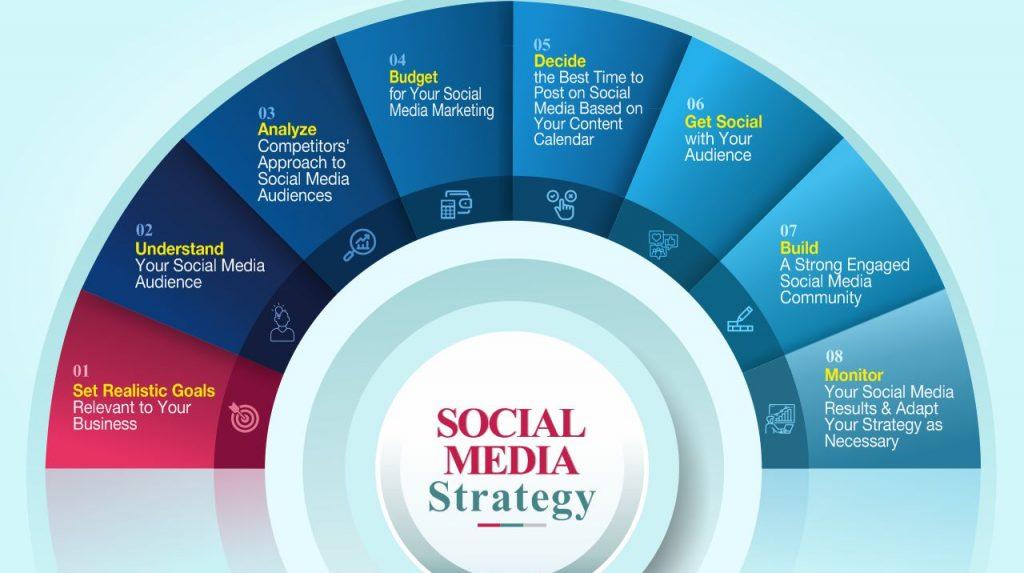
Step 1: Define Clear Goals
Determine campaign objectives such as:
- Lead generation
- Website traffic
- Product sales
- App downloads
- Brand awareness
Clear goals improve campaign planning.
Step 2: Understand Your Audience
Research customer behaviour, preferences, and pain points.
Create detailed buyer personas to improve targeting accuracy.
Step 3: Choose the Right Channels
Select marketing channels based on:
- Audience demographics
- Industry type
- Budget
- Campaign goals
For example:
- B2B companies may prefer LinkedIn ads.
- Fashion brands may focus on Instagram and TikTok
Step 4: Create High-Converting Content
Ad creatives significantly impact campaign performance.
Effective content includes:
- Compelling headlines
- Strong calls-to-action
- Eye-catching visuals
- Persuasive copywriting
Step 5: Optimize Landing Pages
A high-performing ad is useless if the landing page fails to convert visitors.
Landing pages should:
- Load quickly
- Be mobile-friendly
- Include trust signals
- Have clear CTAs
- Minimize distractions
Step 6: Monitor and Optimize
Continuous monitoring helps identify:
- High-performing ads
- Weak keywords
- Audience behavior
- Budget inefficiencies
A/B testing is essential for optimisation.
Challenges in Performance Marketing
1. Rising Competition
As more businesses invest in digital advertising, competition increases, leading to higher advertising costs.
2. Ad Fatigue
Users may ignore repetitive advertisements, reducing engagement and conversions.
Regular creative updates are necessary.
3. Privacy Regulations
Privacy laws and cookie restrictions impact user tracking and targeting capabilities.
Examples include:
- GDPR
- Cookie consent policies
- iOS privacy updates
4. Fraudulent Traffic
Click fraud and fake traffic can waste advertising budgets.
Businesses should use fraud detection tools and reliable advertising platforms.
Tools Used in Performance Marketing
Analytics Tools
- Google Analytics
- Adobe Analytics
SEO & Research Tools
Email Marketing Tools
- Mailchimp
- HubSpot
Automation Platforms
- Zapier
- ActiveCampaign
These tools help marketers analyse data, automate tasks, and improve campaign efficiency.
Future Trends in Performance Marketing
Artificial Intelligence (AI)
AI-powered tools are transforming the following:
- Ad targeting
- Predictive analytics
- Customer segmentation
- Automated bidding
AI improves campaign precision and efficiency.
Voice Search Optimisation
With the growth of smart assistants, voice-based searches are increasing.
Businesses must optimise campaigns for conversational keywords.
Video Marketing Dominance
Video content continues to outperform traditional formats.
Platforms like
- YouTube
- TikTok
- Instagram Reels
are driving massive engagement.
First-Party Data Collection
As third-party cookies decline, businesses are focusing on collecting first-party customer data through:
- Email subscriptions
- Loyalty programs
- CRM systems
Why Businesses Need Performance Marketing
Performance marketing helps businesses:
- Generate qualified leads
- Improve sales
- Reduce marketing waste
- Increase profitability
- Scale efficiently
It is especially beneficial for startups and small businesses with limited advertising budgets.
By focusing on measurable outcomes, companies gain greater control over their marketing investments.
Conclusion
Performance marketing has revolutionised the digital advertising landscape by making campaigns measurable, scalable, and highly cost-effective. Unlike traditional marketing methods, performance marketing ensures businesses pay only for actual results, making it one of the most efficient strategies for modern brands.
From search engine marketing and social media advertising to affiliate partnerships and influencer campaigns, performance marketing offers endless opportunities for business growth. Companies that leverage data analytics, audience targeting, automation, and optimisation can significantly improve their return on investment.
As technology continues to evolve, performance marketing will become even more sophisticated, with AI, automation, and advanced personalisation shaping the future of digital advertising.
Businesses that adopt performance marketing today will be better positioned to compete, grow, and succeed in the ever-changing digital economy.
FAQ
1. What is performance marketing?
Performance marketing is a digital marketing strategy where advertisers pay only for specific actions, such as clicks, leads, sales, app installs, or conversions, making campaigns highly measurable and results-driven.
2. Why is performance marketing important for businesses?
Performance marketing helps businesses maximise return on investment (ROI) by tracking every marketing activity and focusing budgets on channels that generate measurable results.
3. How does performance marketing differ from traditional marketing?
Traditional marketing often focuses on brand awareness and estimated reach, while performance marketing emphasises measurable outcomes such as conversions, leads, and revenue.
4. What are the main channels used in performance marketing?
Common performance marketing channels include:
- Search Engine Marketing (SEM)
- Social Media Advertising
- Affiliate Marketing
- Display Advertising
- Native Advertising
- Email Marketing
- Influencer Marketing
5. What is the primary goal of performance marketing?
The primary goal is to generate measurable business results, including sales, leads, website traffic, app downloads, and customer acquisitions.
6. What key metrics are used in performance marketing?
Important metrics include:
- Click-Through Rate (CTR)
- Conversion Rate
- Cost Per Click (CPC)
- Cost Per Acquisition (CPA)
- Return on Ad Spend (ROAS)
- Customer Lifetime Value (CLV)
- Return on Investment (ROI)
7. What is ROAS in performance marketing?
ROAS (Return on Ad Spend) measures the revenue generated for every dollar spent on advertising and helps determine campaign profitability.
8. How does audience targeting improve performance marketing?
Audience targeting ensures ads are shown to the most relevant users based on demographics, interests, behaviours, and purchase intent, improving conversion rates.
9. What role does data play in performance marketing?
Data helps marketers analyse campaign performance, optimise targeting, identify trends, and make informed decisions to improve results.
10. Can small businesses benefit from performance marketing?
Yes. Performance marketing allows small businesses to start with flexible budgets and scale campaigns based on measurable outcomes.